
December 1, 2025
How Long Do Sport Court Coatings Last? Lifespan, Wear Signs, & When To Recoat
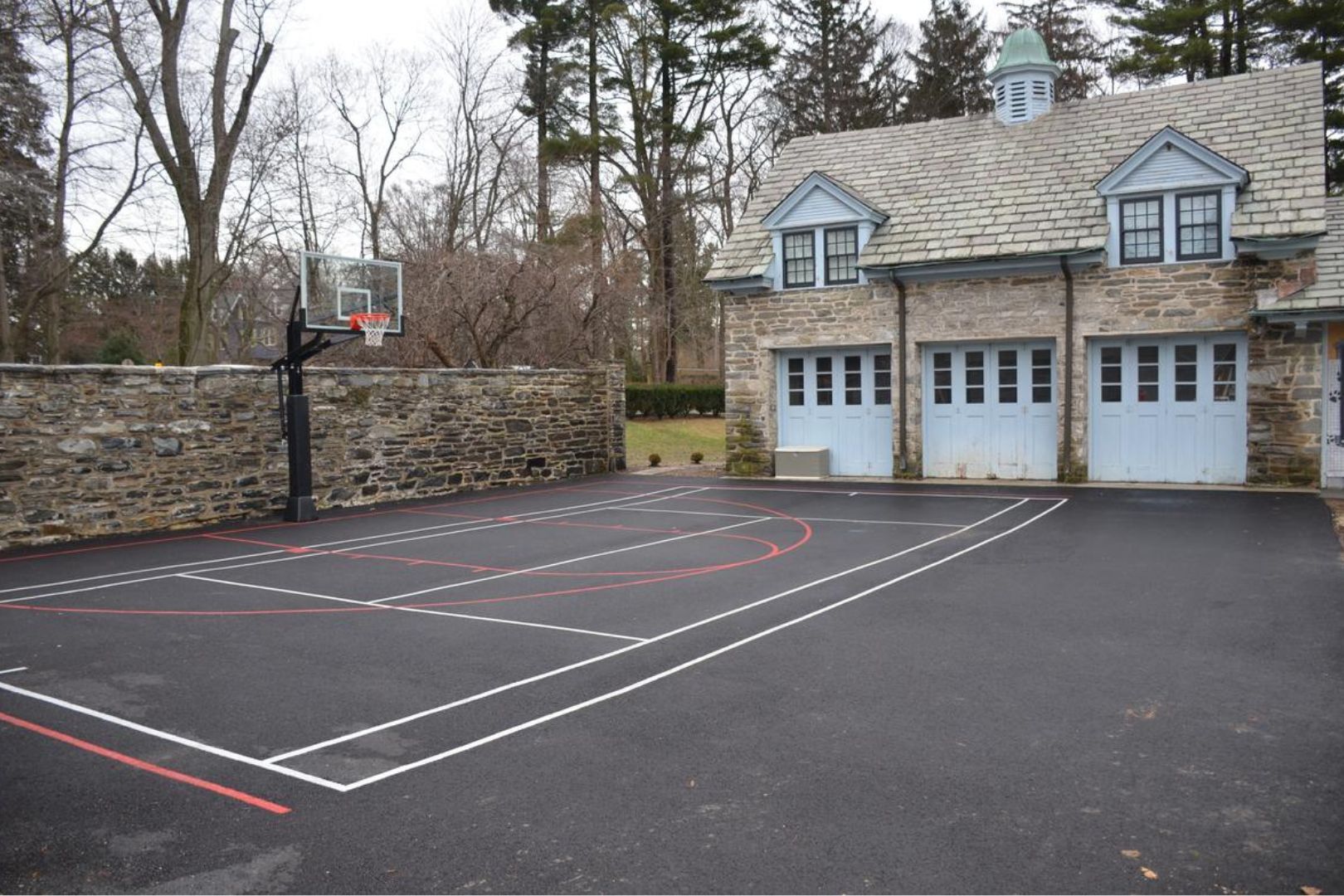
Sport court coatings help outdoor courts look better, play more consistently, and hold up longer under foot traffic and weather. If you are planning a new court or trying to extend the life of an existing one, one of the first questions is simple. How long will the coating last before it needs to be refreshed?
This guide covers typical lifespan ranges, wear signs to watch for, and how to decide when it is time to recoat. It also explains what makes coatings last longer, especially on pickleball, tennis, and multi-sport courts.
Sport Court Coating Lifespan: How Many Years Can You Expect?
There is no single number that fits every court. Coating lifespan depends on usage, surface condition, climate, and how well the court was prepared before coating.
Typical Lifespan Ranges For Outdoor Sport Court Coatings
In general, many owners plan on recoating every few years rather than waiting until the surface is severely worn. Courts that see heavy play or harsh weather can need attention sooner, while lightly used residential courts can go longer.
A practical way to think about it is this:
- Light residential use often lasts longer before a refresh is needed
- High-use residential and shared courts wear faster
- Commercial, school, and HOA courts usually need recoating more frequently due to constant traffic and scheduling demands
If you are not sure where your court fits, the best approach is to evaluate its current wear signs and base condition instead of relying on a generic timeline.
What Makes Sport Court Coatings Wear Out Faster?
Coatings fail faster when the court surface underneath is unstable or when the court takes on more stress than it was built for.
The Most Common Factors That Shorten Coating Lifespan
- Heavy usage and frequent play, especially with tight pivoting and quick stops
- Freeze-thaw cycles, which can open cracks and create movement under the coating
- Standing water and drainage problems, which break down surfaces and contribute to peeling and edge failure
- Improper surface preparation, which reduces adhesion and causes early flaking
- Neglected cracks, since small cracks can turn into spreading failures
If the court has drainage issues or a shifting base, recoating alone may not solve the problem. Repairs and leveling should be addressed first.
Sport Court Coating Wear Signs: How To Tell Your Court Needs Attention
Some wear is cosmetic. Other wear affects safety and playability. The goal is to recoat at the right time so the court stays consistent and you avoid bigger repairs.
1) Fading & Color Changes
Fading is one of the earliest clues that a coating is aging. UV exposure and weather gradually reduce the richness of the color. Fading is not always urgent, but it is often the first sign the top layer is thinning.
2) Slippery Areas Or Inconsistent Traction
If parts of the court feel slick, traction may be uneven. This can happen from worn texture, surface contamination, or an aging topcoat. Traction issues can increase the risk of slips, especially after light rain or morning dew.
3) Peeling, Flaking, Or Chipping
Peeling is a clear sign the coating is no longer bonded well in that area. This often points to moisture issues, poor prep, or movement in the underlying surface.
4) Hairline Cracks That Are Spreading
Cracks can come from asphalt movement, freeze-thaw cycles, or base issues. Coatings can hide minor imperfections, but cracks usually continue to move. If cracks are expanding or branching, repairs should be handled before recoating.
5) Low Spots, Puddles, Or Water Pooling
Standing water is a warning sign. It can weaken the surface and shorten the life of coatings. If you see frequent puddling, it is worth checking slope and drainage before applying new coats.
6) Lines That Are Worn Or Hard To See
Court striping fades over time. If lines are hard to see, you may not need a full resurfacing, but it could be the right time to recoat and restripe together for a full refresh. Total Paving highlights court striping services for sports like pickleball and tennis as part of their sport court work.
When To Recoat a Sport Court
Recoating at the right time comes down to three questions: Is it safe? Does it play consistently? Is the surface still sound?
Recoat Now If You Are Seeing These Issues
- Peeling or flaking in multiple areas
- Slick zones that do not improve with cleaning
- Worn texture and patchy color
- Lines that are difficult to see during play
Repair First And Then Recoat If You See These Issues
- Cracks that are widening or spreading
- Noticeable settling, shifting, or unevenness
- Low spots that create standing water after rain
You Can Wait If The Issues Are Minor
- Light fading with no traction problems
- Minor cosmetic scuffs
- Small isolated wear that is not expanding
A site visit is often the fastest way to decide. A good contractor can tell you whether you need a simple refresh or a more complete resurfacing plan.
How To Make Sport Court Coatings Last Longer
You can normally extend coating life by focusing on preparation, drainage, and routine maintenance.
Start With Surface Preparation And Repairs
Great results start before the coating is applied. Cleaning, crack repair, and leveling work help the coating bond well and wear evenly. Courts that skip prep often need recoating sooner.
Fix Drainage & Prevent Standing Water
Even a great coating will not last if water sits on the surface. Drainage and slope are performance issues, not just cosmetic.
Keep The Court Clean
Routine cleaning removes debris, dirt, and organic buildup that can affect traction and accelerate wear. If the court sits under trees, plan on cleaning more often.
Use The Court With The Right Equipment
Use appropriate athletic shoes and avoid activities that gouge or damage the surface. If you do multi-sport use, plan for faster wear in key zones like baselines, service boxes, and high-traffic corners.
Sport Court Coating & Resurfacing Process
A typical project often includes:
- Surface cleaning and prep
- Crack repair and patching
- Resurfacing or coating application
- Court striping for your sport layout
Total Paving positions their sport court services around building and refreshing courts for sports like pickleball and tennis, including striping and resurfacing.
Sport Court Coating FAQs
How often should a pickleball or tennis court be recoated?
It depends on usage, weather, and the condition of the base. Many courts are recoated on a multi-year cycle, and high-use courts may need it sooner.
Does recoating fix cracks?
Recoating can improve the appearance of minor surface issues, but active cracks usually need proper repair first. If the base moves, cracks can return through the coating.
Can you recoat just one section of a court?
Spot repairs may help short-term, but a full surface refresh usually looks better and plays more consistently, especially if color and texture are uneven.
Schedule a Sport Court Coating Evaluation In Northern IL & Southeastern WI
If your court is fading, slick, peeling, or showing cracks and puddling, it may be time to recoat. A professional evaluation can identify whether you need a simple coating refresh, targeted repairs, or a full resurfacing plan so your court looks better and plays right for the long run. Contact Total Paving today to get a FREE quote for sport court resurfacing and striping for pickleball, tennis, and multi-sport layouts.