
February 1, 2026
How Illinois Winters Destroy Driveways and What You Can Do About It
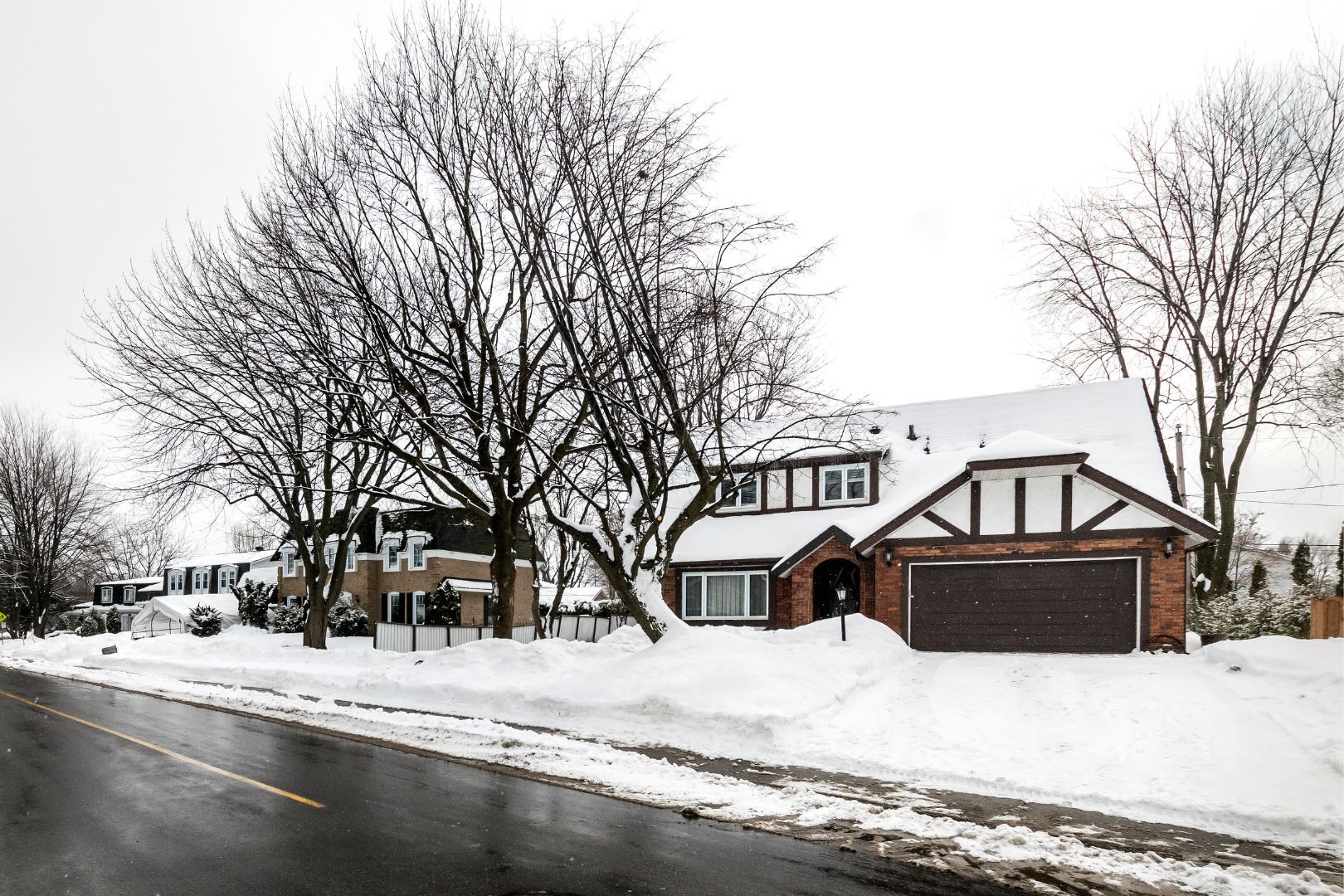
If you live in Northern Illinois or Southern Wisconsin, you already know that winter is not kind to your property. Temperatures that swing from the single digits to the mid-40s within a matter of days, heavy snowfall, road salt runoff, and months of freezing ground create the perfect conditions for driveway damage. The hard truth is that the Chicagoland climate is one of the most punishing environments for asphalt, concrete, and brick paving surfaces in the entire country.
Understanding why Illinois winters destroy driveways is the first step toward protecting your investment. Whether your driveway is asphalt, concrete, or brick pavers, the damage patterns are predictable and, in most cases, preventable with the right approach.
Why Illinois Winters Are So Hard on Driveways
The Chicago area experiences what pavement engineers call a high freeze-thaw cycle environment. Unlike climates that stay consistently cold all winter, Northern Illinois temperatures fluctuate repeatedly above and below 32 degrees Fahrenheit throughout the season. Each time the temperature drops below freezing and rises again, your driveway surface is being tested.
How The Freeze-Thaw Cycle Damages Pavement
Water is the root cause of most driveway damage in Illinois. When water seeps into small cracks or the porous surface of asphalt and concrete, it expands by roughly 9% when it freezes. That expansion puts significant pressure on the surrounding material. When it thaws, the water contracts again, leaving a slightly larger void than before. Repeat this process 30, 40, or 50 times in a single season and you have the conditions for serious cracking, heaving, and surface deterioration.
For homeowners in Lake County, Cook County, and McHenry County, this is not a hypothetical risk. It is a seasonal reality that shortens the lifespan of untreated or poorly installed driveways.
Road Salt & Deicing Chemicals
Road salt and commercial deicers are another major source of driveway damage in Illinois. While they are necessary for safe travel on roads and walkways, sodium chloride and calcium chloride accelerate surface deterioration in both asphalt and concrete driveways. These chemicals pull moisture into the surface, lower the freezing point of water, and over time cause surface scaling, popouts in concrete, and softening of the asphalt binder.
If you or your municipality apply salt near your driveway, you may notice white residue, pitting, or surface flaking within a few seasons on an unprotected surface.
Subsurface Ground Movement & Frost Heave
Illinois soil has a significant clay content in many areas, which means it absorbs water and expands when frozen. This subsurface movement, commonly known as frost heave, pushes upward against your driveway from below. The result is uneven surfaces, cracking along panel joints in concrete, and lifting of brick pavers. Even a well-installed driveway can show signs of frost heave over time if the base preparation is not adequate for the local soil conditions.
Common Types of Winter Driveway Damage in Illinois
Alligator Cracking in Asphalt Driveways
Named for its resemblance to alligator scales, this pattern of interconnected cracks is a sign that the structural base of your asphalt has been compromised. In Illinois, alligator cracking often develops when water penetrates a small surface crack, freezes, and weakens the base layer beneath. Once the structural integrity is gone, the surface cracks accelerate with each subsequent freeze-thaw cycle.
Spalling and Surface Scaling in Concrete Driveways
Spalling refers to the flaking or chipping of the concrete surface, often triggered by freeze-thaw stress combined with road salt exposure. Many homeowners notice spalling on their concrete driveways in early spring after a particularly harsh Illinois winter. While minor spalling is cosmetic at first, it exposes the interior of the concrete to further moisture penetration, which accelerates the damage significantly.
Sunken or Uneven Sections
Sections of a driveway that sink or become uneven are often the result of base erosion or frost heave. In Illinois, heavy spring rains following a frozen ground period can wash out improperly compacted base material, causing the surface above to drop. This type of damage creates tripping hazards, water pooling issues, and drainage problems that can affect your home’s foundation if not addressed.
Paver Shifting & Joint Sand Loss
Brick and concrete paver driveways are not immune to Illinois winters either. The joint sand between pavers can wash out or become displaced over multiple freeze-thaw cycles, allowing individual pavers to shift or rock. Once pavers lose their tight interlocking fit, the surface becomes unstable and water infiltration increases dramatically.
What You Can Do to Protect Your Driveway from Illinois Winter Damage
Sealcoat Your Asphalt Driveway Before Winter
One of the most effective ways to protect an asphalt driveway from Illinois winter damage is to apply a quality sealcoat before the cold season arrives. Sealcoating creates a protective barrier against water infiltration, UV oxidation, and chemical damage from deicers. It fills minor surface voids and slows the aging process of the asphalt binder. For best results, sealcoating should be done in late summer or early fall before temperatures drop consistently below 50 degrees Fahrenheit.
Total Paving and Brick Services provides sealcoating services for existing customers as part of our asphalt maintenance program. If you are planning a new driveway installation, we can schedule a follow-up sealcoat service to keep your investment protected from day one.
Address Cracks Before They Grow
A small crack in October becomes a large crack by March in the Illinois climate. Water that enters a crack in the fall freezes all winter, widening the gap with each freeze-thaw cycle. Crack sealing and infrared patching are cost-effective ways to stop this progression before it becomes a structural problem. If you see cracks forming in your driveway, the best time to address them is in late summer or early fall before freezing temperatures arrive.
Improve Drainage Around Your Driveway
Standing water on or around your driveway is one of the fastest ways to accelerate winter damage. Water that pools on the surface or against the edge of your driveway will freeze, expand, and work its way into every available gap. Ensuring proper slope and drainage away from your home is a critical step in long-term driveway protection. If your current driveway has low spots that collect water, a replacement or regrading project can address the root cause rather than repeatedly patching the symptoms.
Use Sand Instead of Rock Salt When Possible
Where traction is the goal rather than melting, consider using sand or kitty litter as an alternative to rock salt on your driveway. These materials provide grip without the chemical damage associated with sodium chloride. When deicing is necessary, calcium magnesium acetate is a less damaging option than rock salt, though it comes at a higher cost. Avoid using sodium chloride-based products on newer concrete driveways especially, as fresh concrete is particularly vulnerable to chemical attack during the first few seasons.
Know When Repair Is No Longer Enough
At some point, patching and sealing a damaged driveway becomes a temporary fix rather than a real solution. If your asphalt shows widespread alligator cracking, if your concrete has multiple sunken panels, or if your pavers are shifting across large sections, it may be time to consider a full replacement. A properly installed driveway with the correct base depth for Illinois soil conditions will outlast a repeatedly patched surface by many years.
Choosing the Right Driveway Material for the Illinois Climate
If you are planning a new driveway installation or a full replacement, your choice of material matters in the Illinois climate. Each material has specific advantages and considerations for the freeze-thaw environment of Northern Illinois and Southern Wisconsin.
Asphalt Driveways in Illinois
Asphalt is the most common residential driveway material in Illinois for good reason. It is flexible, which means it handles freeze-thaw movement better than rigid concrete. When properly installed with the right base depth and sealed regularly, an asphalt driveway can last 20 to 30 years in the Illinois climate. The key factors are proper base compaction, adequate thickness, and a consistent sealcoating and maintenance schedule.
Concrete Driveways in Illinois
Concrete driveways offer outstanding longevity and curb appeal, but they require careful installation practices in the Illinois climate. Control joints must be properly spaced to manage cracking, and the mix design should account for freeze-thaw durability. A well-installed concrete driveway in the Chicagoland area can last 30 to 40 years, but improper installation or the wrong mix design can lead to premature spalling and cracking within just a few years.
Brick and Concrete Paver Driveways in Illinois
Paver driveways offer a distinct advantage in cold climates: individual pavers can be reset or replaced without disturbing the entire surface. If frost heave lifts a section of pavers, the repair is relatively straightforward compared to a cracked concrete slab or alligatored asphalt. The most important factor for paver durability in Illinois is the quality of the base installation. A deep, well-compacted aggregate base that accounts for the local frost depth is essential for preventing long-term shifting.
When to Schedule a Driveway Inspection or Replacement in Illinois
Spring is the best time to assess the condition of your driveway after an Illinois winter. Once the ground has fully thawed and the snow is gone, you can get a clear picture of what the season did to your surface. Look for new cracks, surface scaling, sunken sections, and areas where water is pooling after rain.
Fall is the ideal window for preventive maintenance. Sealcoating, crack filling, and infrared patching are all best performed before the first freeze of the season. Scheduling these services in August, September, or early October gives treatments enough time to cure properly before cold temperatures arrive.
If your driveway is showing significant structural damage or is more than 20 years old, a fall or spring replacement project puts a fresh, properly installed surface in place before the next cycle of Illinois winter damage begins.
Get a Free Driveway Consultation From Total Paving & Brick Services
Total Paving and Brick Services has served homeowners and commercial property owners across Northern Illinois and Southern Wisconsin for over 30 years. We specialize in asphalt, concrete, and brick paver driveways that are designed and installed to handle the specific demands of the Illinois climate, including proper base preparation for local frost depth, mix designs suited for freeze-thaw durability, and maintenance programs that protect your investment through every season.
If your driveway has taken a hit this winter or you want to get ahead of the damage before next season, our team is ready to help. Contact Total Paving and Brick Services today to schedule a free estimate. We serve Lake County, Cook County, McHenry County, and Kenosha County, Wisconsin.