
November 1, 2026
Winter Care for Brick Pavers: Snow Removal & Deicing Tips for Northern Illinois
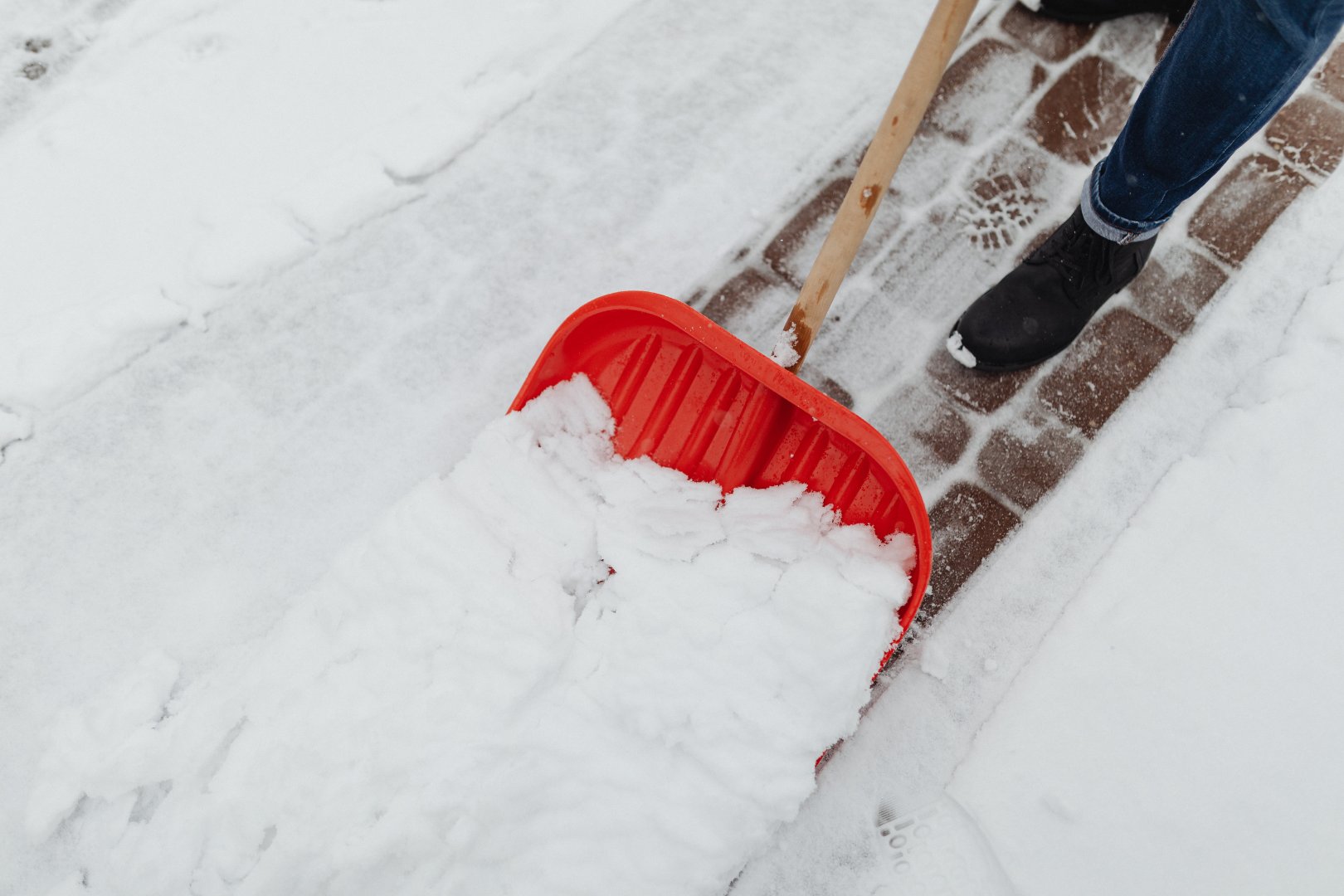
The first real snowfall in Lake County often arrives in late November, and paver owners tend to have the same question every year. What is safe to use on a brick driveway, walkway, or patio?
Brick and concrete pavers handle Illinois winters well when they sit on a solid, well compacted base. Most of the winter damage we see on paver surfaces comes from how the snow and ice were cleared. A metal blade chips the edges, the wrong deicer stains the surface, or a plow catches a raised paver and pulls it loose.
A little preparation now and a few changes to your snow routine will keep your pavers looking good through spring.
Get Your Pavers Ready Before the First Snow
November is the last good window for small fixes before the ground freezes.
Check for Loose or Uneven Pavers
A paver that sits even slightly higher than its neighbors becomes an easy target for shovels and plow blades. Look for pieces that rock underfoot and have them reset while the base can still be adjusted.
Top Off the Joint Sand
Joint sand locks pavers together. When the joints run low, water seeps in, freezes, and slowly pushes pavers out of place. Sweeping fresh sand into the gaps on a dry day helps. Polymeric sand needs dry weather and temperatures above freezing to set properly, so if the forecast has already turned cold, regular joint sand can hold things over until spring.
Clear Leaves & Debris
Wet leaves left on pavers all winter can stain the surface and hold moisture in the joints. Blow or sweep them off before snow covers them.
How To Shovel & Plow Brick Pavers Without Damage
Pavers have slightly beveled edges, which helps a blade glide over them. Metal still catches, especially on pieces that have shifted.
Use a Shovel With a Plastic or Rubber Edge
A plastic shovel or one with a rubber wear strip moves snow just as well without scraping or chipping brick. With a metal shovel, push at a low angle instead of jabbing straight down.
Raise Snow Blowers & Plow Blades Slightly
Most snow blowers have adjustable skid shoes. Set them so the scraper bar rides just above the pavers. If you hire a plow service, let them know where the paver surface begins and ask whether they can use a rubber cutting edge or lift the blade a bit on your driveway.
Skip the Ice Chipper
Metal ice chippers and picks crack brick and break off corners. Let a deicer loosen the ice, or wait for a sunny afternoon, then shovel the slush away.
Clear Snow Early & Often
Snow that gets packed down by cars and foot traffic turns into a layer of ice that is much harder to remove. Clearing after every few inches means less scraping and less deicer later.
Choosing a Deicer That Is Safe for Pavers
Rock salt (sodium chloride) is the cheapest and most common choice. Quality pavers can tolerate it in moderate amounts, but salty meltwater soaks into the joints, refreezes overnight, and leaves a white film behind. It is also hard on grass and plantings along the edges.
Calcium chloride works at lower temperatures and takes less product to do the job, which makes it a practical option for most homeowners. Calcium magnesium acetate is gentler on paving and landscaping, though it costs more. Magnesium chloride is often sold as a pet friendly option, but some research links it to faster wear on concrete surfaces over time.
A few habits make any deicer easier on your pavers:
- Use only enough to break the bond between the ice and the surface, then shovel the slush off.
- Avoid products that contain fertilizer ingredients like ammonium sulfate or ammonium nitrate, which can eat into concrete.
- For traction alone, use sand. It gives your feet grip and can settle into the joints as a bonus.
If a white haze shows up on your pavers in spring, it is usually salt residue or efflorescence. Both can typically be cleaned off without harming the brick.
What To Look for After the Thaw
Once the snow melts, take another walk across your driveway, walkway, or patio. Low spots, shifted pavers, and empty joints are the usual signs of a hard winter. Our guide to maintaining brick paved surfaces covers the spring cleaning and resanding steps that keep pavers tight and level.
One advantage of pavers over poured surfaces is that individual pieces can be lifted, the base corrected, and the same pavers set back in place. If you also have an asphalt or concrete driveway, our post on how Illinois winters damage driveways explains what to watch for on those materials.
Why Choose Total Paving & Brick Services
We have been building and repairing paver driveways, walkways, and patios across Northern Illinois and Southeast Wisconsin since 1995. Homeowners work with us for a few reasons:
- Our crews handle asphalt, concrete, and brick paving in house, so mixed material projects stay with one team.
- We are a family owned and women owned local business that knows how our soil and weather affect paving.
- Repairs address the cause, including the base and drainage, so the problem does not return next winter.
- Our 3D design technology lets you preview a new patio or walkway layout before work begins.
Schedule Your Brick Paver Repair With Total Paving & Brick Services in Lake County
Loose pavers, sunken spots, or low joints are easier and less costly to fix before another season of freezing and thawing makes them worse. Our team serves homeowners in Gurnee, Waukegan, Lake Forest, Kenosha, Pleasant Prairie, and nearby communities, and every project starts with a free estimate. Contact Total Paving & Brick Services to schedule a visit and get your pavers ready for winter or set up a repair for early spring.
